
What Is A Legal Assistant And What Makes A Good Legal Assistant
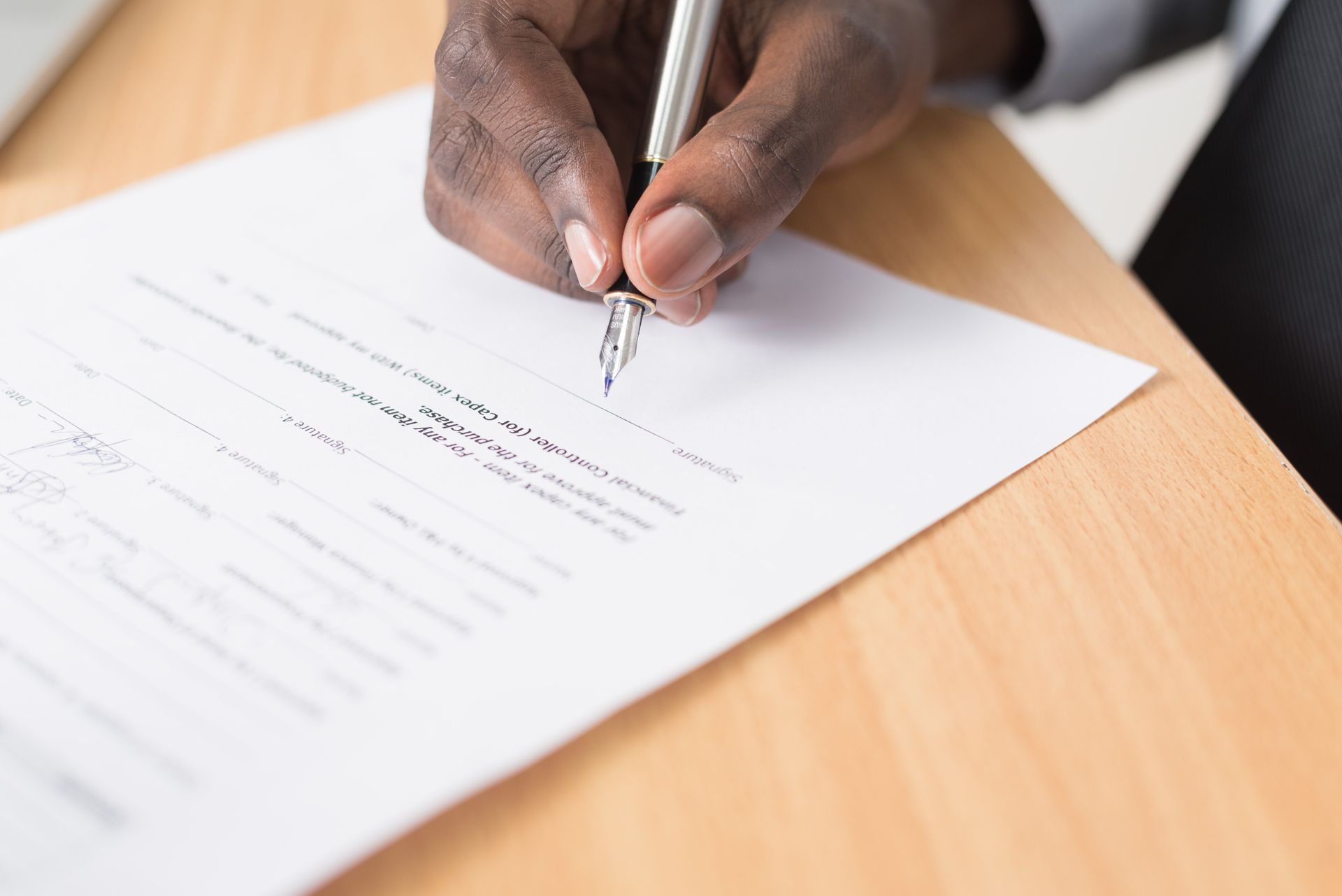
A legal assistant or paralegal is someone who takes care of the backend firm support and assists lawyers with multiple duties such as client invoicing, contacting vendors, preparing for hearings, trials, and/or corporate meetings. A great legal assistant is someone who is detail-oriented and is good at keep client files up to date. They are allowed to work independently and are expected to work quickly. A legal assistant will typically work directly under the supervision of lawyers and is utilized for their skills in researching, client management, calendar organization and writing as well as their speed.
Skills Required For A Good Legal Assistant
A legal assistant is a professional who provides support to lawyers by performing administrative and clerical tasks. Although a legal assistant does not need to be a lawyer, they do need certain skill sets to continual excel at their job:
Organizational Skills:
Attorneys are busy professionals whose offices can quickly become chaotic due to ongoing trials, mountains of paperwork, and a steady stream of meetings. Legal assistants with excellent organizational skills help to keep their bosses organized.
Writing Skills:
Most lawyers rely on their legal assistants to draft a variety of documents, from everyday emails to professional legal paperwork. Strong spelling, grammar, vocabulary, and transcription skills are all critical for success in this role.
Technical Skills:
As experts in the law, attorneys often have a lot of work that they need to stay on top of for their clients, which can make it difficult to find the time to update their knowledge on the latest technology. Therefore, legal assistants are often responsible for staying up to date with firm technology.
Detail Oriented:
In a trial, even a small mistake could mean a lost case. That's why legal assistants need to catch and correct errors as often as possible. This includes everything from typos to double-booked meetings to missing pieces of evidence. Accuracy, note-taking skills, and detail orientation are all essential for this job.
Interpersonal Skills:
Legal assistants may interact with stressed-out attorneys, unhappy clients, difficult members of the opposing counsel, and unwilling witnesses as well as judges, coworkers, vendors, and more. They should have great communication skills, be patient enough to explain things, and help people find the resolve they are looking for.
Understanding of Legal Terminology and Documentation:
Any legal assistant worth their ethic needs to be intimately familiar with commonly-used legal terms. Words and phrases like 'acquittal', 'habeas corpus', and 'subpoena' should be second nature. Furthermore, they should be familiar with everything from trial briefs to living wills to motions.
Multi-Tasking:
Law offices are usually high-stress environments having tight deadlines which can add more pressure. Consequently, legal assistants need to be able to prioritize, delegate, and keep track of multiple workflows for the firm they are responsible for.
Conclusion
A legal assistant is a professional who is required to assist lawyers and even judges with their day-to-day tasks. It is important for a legal assistant to be well organized and have a lot of patience. The Legal Assistant might have to be well versed in the law and have a good understanding of the legal system to be considered top tier for the attorneys they are working for.